
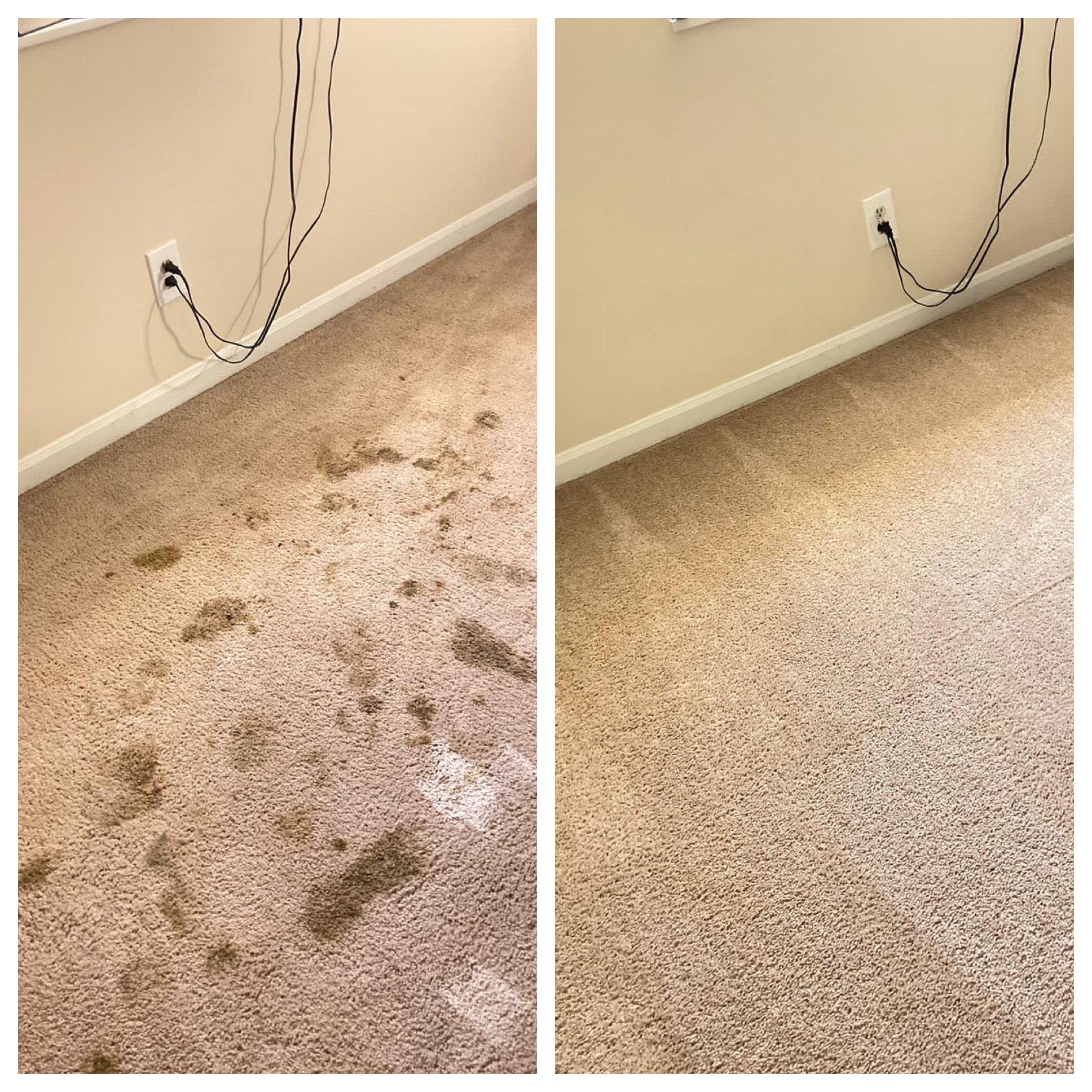
You vacuum your carpet regularly, so it should be clean, right? Not always. Vacuuming is important for everyday carpet care, but it mainly removes loose dirt, dust, crumbs, and surface debris. Some dirt can settle deeper into the carpet, where a regular vacuum may not reach.
Over time, this hidden buildup can affect how your carpet looks, feels, and smells. That is why carpet cleaning in Fort Worth, TX, can be an important part of keeping your home fresh and comfortable.
Vacuuming Only Handles What It Can Reach
Think about what happens when people walk across a carpet every day. Shoes, socks, pets, food crumbs, and everyday dust all come into contact with the fibers.
A vacuum can pick up much of this surface debris. However, some particles can work their way below the surface, especially in areas that receive heavy foot traffic.
You may notice:
● Darker areas near entrances
● Flattened carpet fibers
● Dust that returns quickly
● Unpleasant smells
● Stains that become harder to remove
Regular vacuuming still matters. It simply may not be enough for deeper buildup.
Your Carpet Can Hold More Than You See
Fine dust, dirt particles, food residue, pet-related debris, and other materials can settle between carpet fibers. When these particles remain there, they can make the carpet look less fresh even when you vacuum often.
This is especially common in busy parts of the home, such as hallways, living rooms, stairs, and areas around entrances.
If your carpet looks clean from a distance but feels dull or tired up close, deeper carpet cleaning may be worth considering.
Some Stains Need More Than a Quick Vacuum
Vacuuming cannot remove stains because stains are not loose particles sitting on top of the carpet.
Spilled drinks, food, mud, and other messes can soak into carpet fibers. If a spill is left untreated, it may become harder to remove later.
You might also notice an old stain becoming visible again after the carpet dries. This can happen when residue remains deeper in the carpet.
For these situations, proper cleaning can help address the affected area instead of simply removing loose dirt around it.
Odors Can Stay Behind
Have you ever vacuumed your carpet and still noticed an odd smell?
That can happen when the source of the odor is deeper than the surface. Carpet fibers can hold onto residues from spills, pets, food, moisture, and everyday use.
Adding air freshener may temporarily cover the smell, but it does not remove what is causing it.
A deeper cleaning approach can help remove buildup that regular vacuuming leaves behind.
High-Traffic Areas Need Extra Attention
Not every part of your carpet experiences the same amount of use.
The carpet near your front door may collect more dirt than a corner of a guest room. A hallway may become flattened faster than an area under furniture.
Pay attention to these signs:
● The carpet looks darker along walking paths.
● Fibers feel matted or flat.
● Certain areas look different from the rest.
● Dirt returns quickly after vacuuming.
● The carpet has a stale or musty smell.
These signs can tell you that your carpet may need more than routine vacuuming.
How Often Should You Go Beyond Vacuuming?
There is no single schedule that works for every home. Your carpet's needs depend on foot traffic, children, pets, spills, indoor conditions, and the type of carpet you have.
A useful approach is to vacuum regularly and pay attention to changes in appearance, texture, and smell. When normal vacuuming no longer keeps the carpet fresh, it may be time to consider deeper carpet cleaning in Dallas, TX.
You do not have to wait until the carpet looks extremely dirty. Deeper care can help prevent everyday buildup from becoming a bigger problem.
In Closing:
Vacuuming is one of the simplest ways to care for your carpet, but it only handles part of the job. When dirt, stains, and odors settle deeper into the fibers, your carpet may need a more thorough approach.
Paying attention to dullness, stubborn stains, flattened fibers, or lingering smells can help you know when your carpet needs more than regular vacuuming.